
Study in New Zealand.
Plan beyond the offer.
Explore the right course, university and pathway for your goals, with admission and student visa planning considered together.
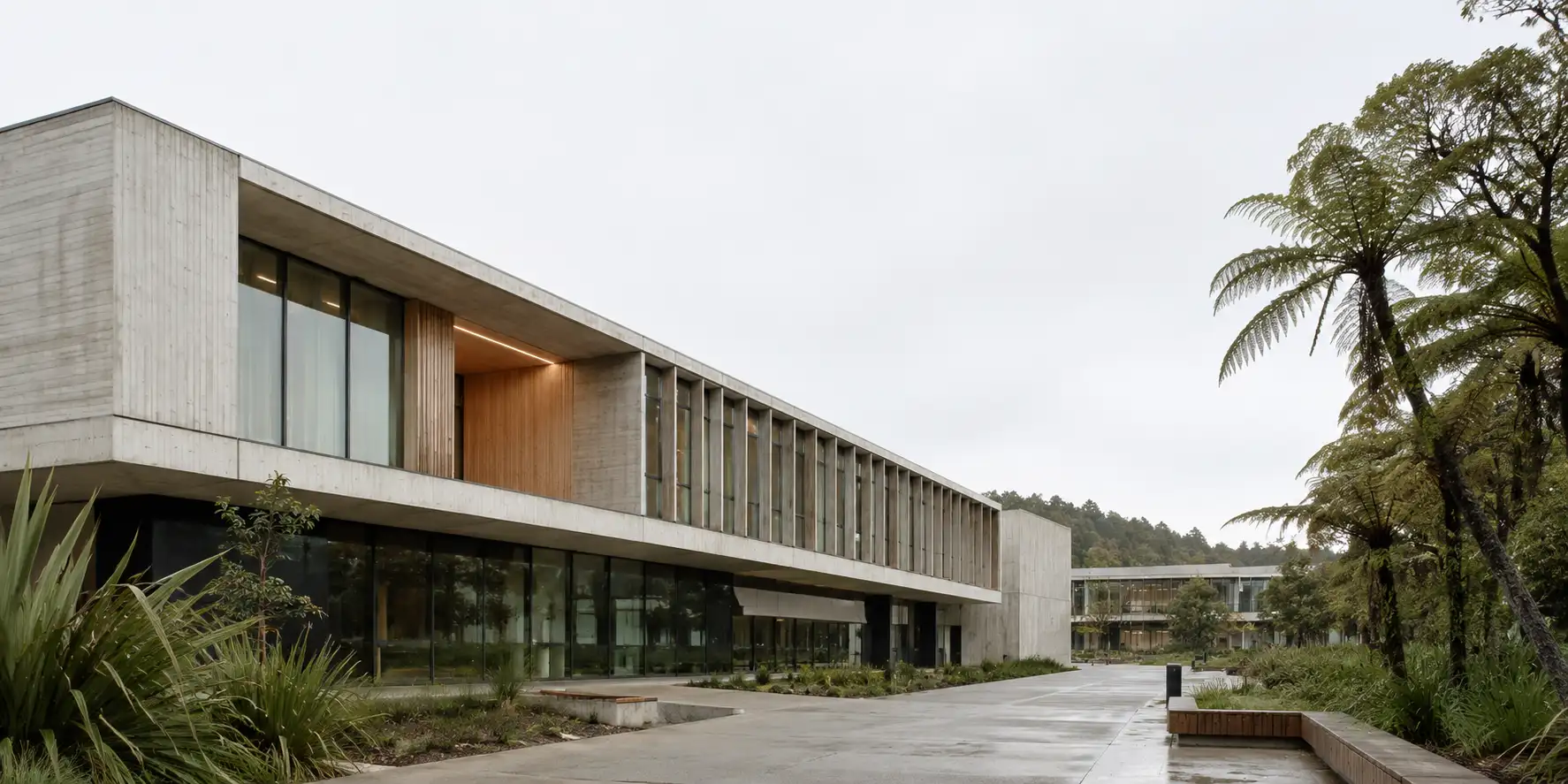
Why study in New Zealand?
New Zealand is worth considering on education and outcomes rather than scenery. These are the factors that tend to matter in a serious shortlist.
Internationally Recognised Education
New Zealand offers recognised universities and tertiary education providers across a broad range of disciplines.
Postgraduate Opportunities
Strong options for students considering Master’s and other postgraduate study.
Study Environment
A comparatively smaller and focused education environment can be relevant to students looking beyond larger study destinations.
Career & Post-Study Planning
For eligible students, post-study work pathways can form part of the overall study decision.
A Different Study Destination
New Zealand can offer an alternative to the more commonly considered destinations.
We don’t just plan where you study.
We look at how your course, university, finances, admission and visa fit together.
Your admission strategy and visa strategy should not be designed separately.
Start with the course. Not the university name.
A course that fits your background and career direction makes every later decision simpler, including the visa. Rankings are one input, not the decision. Before we shortlist institutions, we evaluate:
University selection follows from that assessment, not the other way around.
Find the right place to study.
New Zealand’s tertiary sector is compact and structured. Your options usually sit in one of four groups, and the right group depends on your qualification level and entry profile.
Universities
New Zealand’s public universities, across undergraduate, Master’s and research degrees.
Private / specialised providers
Discipline-focused institutions, relevant where a specific vocational or industry outcome matters.
Pathway options
Entry routes for students who do not yet meet direct-entry academic or English requirements.
Postgraduate options
Master’s, postgraduate diplomas and research pathways, including their post-study implications.
We shortlist institutions in counselling, against your profile, not from a directory.
What can you study in New Zealand?
Broad study areas commonly considered by international students. Programme availability differs by institution and intake.
What does it cost to study in New Zealand?
There is no single number. Build the budget as five components, then test it against the funds you can actually evidence for the student visa.
Your total varies by
Programme, institution, location, duration and lifestyle. Auckland and Wellington generally sit above regional centres. We build the number for your shortlist rather than quoting an average.
For the student visa, Immigration New Zealand currently requires evidence of at least NZD 20,000 per year for living costs, or NZD 1,667 per month for programmes shorter than 12 months, in addition to tuition and outward travel. Confirm current figures at immigration.govt.nz.
Admission is not the finish line.
Your university offer is only one part of the journey. Bluehawks considers the visa requirements while planning the admission strategy.
Broadly, a fee-paying student visa application needs an offer of place from an approved provider, evidence of funds for tuition, living costs and outward travel, insurance, and health and character documentation. Applications are made online to Immigration New Zealand.
Financial evidence is where applications most often come under scrutiny, the source and stability of funds matters as much as the amount. That is why we plan documentation alongside the application, not after the offer. Decisions rest solely with Immigration New Zealand; we make no guarantees. Requirements are set out at immigration.govt.nz.
Can international students work while studying?
Many student visa holders can work a limited number of hours during term and full-time in scheduled breaks. Work rights are not automatic: they depend on the conditions printed on your visa, your programme, its level and its duration.
Part-time earnings should never be treated as part of your funding plan, Immigration New Zealand expects funds to be available before you arrive. Check your own visa conditions and the current rules on work rights for students.
What happens after graduation?
Eligibility and duration depend on your qualification, its NZQCF level and your circumstances. There is no blanket entitlement to three years of work rights, and the settings are changing.
Post Study Work Visa
Open to eligible graduates of qualifying programmes. Duration is tied to the qualification completed, and generally only one PSWV can be granted. Since 20 April 2026, PSWV holders can also work in any role, including self-employment.
Short-term Graduate Work Visa
A new six-month open work visa for eligible NZQCF Level 5–7 graduates who do not qualify for a PSWV, intended as time to find employment and, where appropriate, move to an Accredited Employer Work Visa. It cannot be extended or granted twice, and does not support partner or dependent visas.
Wider PSWV eligibility
Graduates who complete a Level 7 Graduate Diploma in New Zealand may become eligible for a Post Study Work Visa if they already hold a bachelor’s degree, from New Zealand or overseas.
Announced changes are subject to final policy and may be adjusted. Because your work rights after graduation follow from the qualification you choose, this belongs in the course decision, not after it. Verify current settings with Immigration New Zealand.
The Bluehawks New Zealand journey
Eight steps, planned as one sequence. The visa is designed in from step one.
Is New Zealand right for you?
For some students it is the sharpest option available. For others, another destination fits the same goals better. The answer depends on seven things:
One plan. More than one decision.
Course and university planning.
Application strategy and documentation.
Understand the overall cost and funding requirement.
Plan the student visa as part of the journey.
Bluehawks does not influence or control immigration decisions. Our role is planning, preparation and accuracy.
Planning to study in New Zealand?
Let’s build a study plan around your course, university, budget and visa journey.
Send your details
Fill in the form below and we will come back with an honest read on whether New Zealand fits your profile, and how it compares with the other destinations we advise on. Best if your situation needs thinking about: a refusal, a funding question, or a course you are unsure about.
We read every enquiry ourselves and reply within one working day.
Chat with us instead 24/7
Chat support runs around the clock, so a quick question never has to wait for office hours. Deadlines, entry requirements, evidence of funds, or simply where to start.
Open WhatsApp chatAvailable 24/7, including weekends.
Common questions
What are the benefits of studying in New Zealand? +
Recognised universities and tertiary providers across a broad range of disciplines, strong postgraduate options, a comparatively smaller and focused study environment, and post-study work pathways for eligible graduates. Which of these matter depends on your own goals.
How much does it cost to study in New Zealand? +
Plan tuition plus living costs, insurance, visa and travel. Totals vary by programme, institution, city, duration and lifestyle. For the student visa, Immigration New Zealand currently requires evidence of at least NZD 20,000 per year for living costs, or NZD 1,667 per month for programmes shorter than 12 months, in addition to tuition and outward travel.
What are the best universities in New Zealand? +
There is no single best university. The right institution depends on your course, academic background, budget and post-study objectives. We shortlist against your profile rather than rankings alone.
Can Indian students study in New Zealand? +
Yes. Indian students apply to New Zealand universities and tertiary providers subject to academic, English language and student visa requirements. Requirements differ by institution and programme level.
What are the requirements for a New Zealand student visa? +
Broadly: an offer of place from an approved provider, evidence of funds for tuition, living costs and outward travel, insurance, and health and character documentation. Requirements are set by Immigration New Zealand and change from time to time, so confirm current rules before applying.
Can international students work while studying in New Zealand? +
Many student visa holders can work part-time during term and full-time in scheduled breaks, but work rights depend on the conditions stated on your visa, your programme and its duration. Part-time income cannot be used to meet the visa funds requirement.
What is the Post Study Work Visa in New Zealand? +
A visa allowing eligible graduates to work in New Zealand after completing a qualifying programme. Eligibility and duration depend on the qualification and your circumstances, and generally only one Post Study Work Visa can be granted.
How long can I stay in New Zealand after graduation? +
It depends on the qualification and the visa granted. From 16 November 2026, a new Short-term Graduate Work Visa is to provide up to six months of open work rights for eligible Level 5 to 7 graduates who do not qualify for a Post Study Work Visa. Announced settings are subject to final policy.
When should I apply to New Zealand universities? +
Plan six to nine months before your intended intake. That leaves room to sequence admission, financial documentation and the student visa application without compressing any of them.
Does Bluehawks help with New Zealand student visa applications? +
Yes. We plan the student visa alongside the admission strategy and support documentation and preparation. Visa decisions are made solely by Immigration New Zealand, and we make no guarantees about outcomes.