2026 F1 Visa Interviews Just Became 3x Harder.
Estimated reading time: 6 minutes
If you’re planning to study in the USA for Fall 2026 or Fall 2027, the rules of the game have fundamentally shifted. What worked even 3-4 years ago isn’t just outdated—it’s actively sabotaging your visa chances.
At Bluehawks EduAbroad, we’ve tracked visa patterns from over 200 successful F1 cases this year, plus dozens of refusals. The data is clear: 2026 F1 visa interviews will require the most intent-focused, narrative-driven approach in recent history.
This blog isn’t written to please agents or sugar-coat realities. It’s written to protect students from costly mistakes.
Table of contents
- The New Reality: Filtering Has Replaced Volume
- What Makes 2026 F1 Visa Interviews Different
- ⚠️ The Biggest Trap: “Everyone Else Is Applying There”
- 💰 Why “Automatic Scholarships” Don’t Impress Anymore
- 📋 DS-160: The Silent Killer of 2026 F1 Visa Interviews
- 🔄 Previously Refused? 2026 F1 Visa Interviews Will Be Tougher
- 🚫 Why Traditional Agents Are Causing More Refusals
- ✅ The Bluehawks EduAbroad Approach: Why It Works
- 📋 Your 2026 F1 Visa Interview Preparation Checklist
- 🚨 Final Reality Check for 2026-2027
- 🎯 Don’t Leave Your Success to Chance
The New Reality: Filtering Has Replaced Volume
The US immigration system has quietly shifted from “mass processing” to “intent filtering.”
What this means:
- Universities still issue admits relatively easily
- Visa Officers are doing the real screening
- Easy admits + weak narratives = rejection patterns we’re seeing daily
Real Example from October 2025
Sarah (name changed) walked into her F1 interview with:
- ✅ 3.7 GPA
- ✅ Admit from a popular Texas university
- ✅ $15K scholarship
- ❌ Generic “everyone applies here” narrative
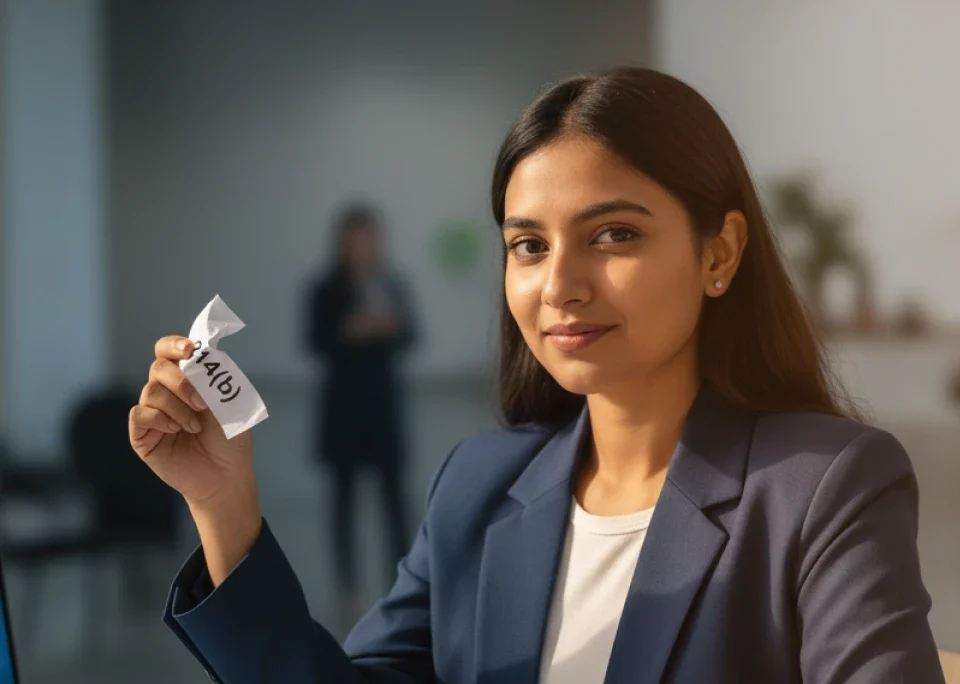
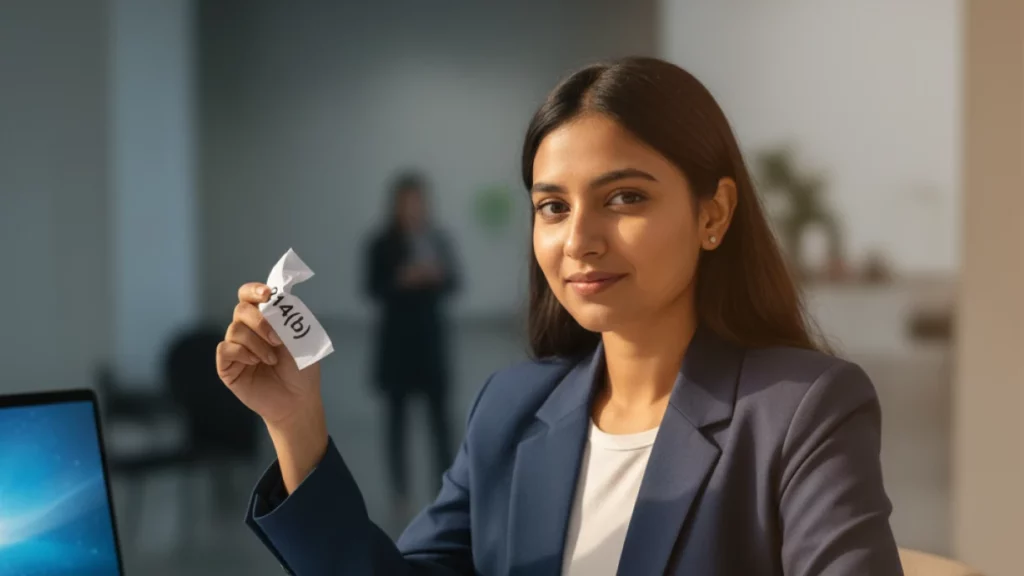
Result: 214(b) refusal in under 2 minutes.
Visa Officer’s feedback: “Your choice appears convenience-driven, not goal-oriented.”
This is happening daily now. Academic credentials alone won’t save weak intent stories.
What Makes 2026 F1 Visa Interviews Different
Higher Scrutiny Areas Based on Recent Patterns:
- Academic Intent Verification – “Why this program over others available in India?”
- DS-160 Cross-Checking – Every claim gets verified against interview answers
- Financial Source Logic – “How does your family afford this specific amount?”
- Previously Refused Cases – 60% higher rejection rates for repeat applicants with similar narratives
The Uncomfortable Statistics:
- Mass-applied universities: 40% higher refusal rates in 2025 vs 2023
- Generic scholarship narratives: 3x more likely to face follow-up questioning
- DS-160 inconsistencies: Leading cause of silent rejections (no explanation given)
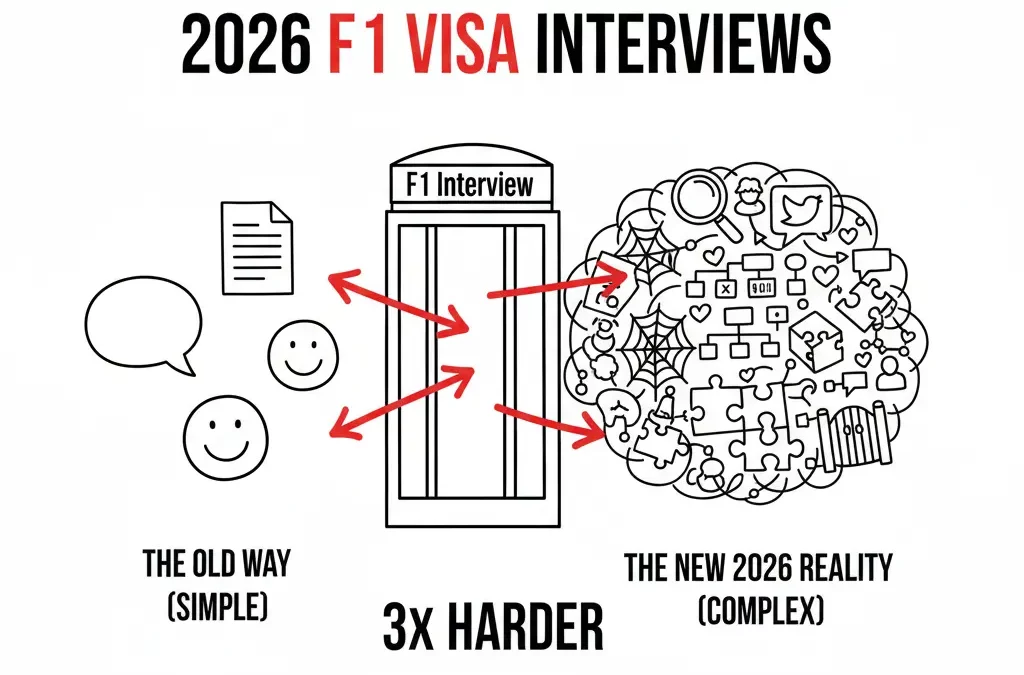
Based on our analysis of 2026 F1 visa interviews, students who choose universities strategically show 3x higher success rates than those following mass-application approaches.
⚠️ The Biggest Trap: “Everyone Else Is Applying There”
The old playbook that’s failing students:
- Apply to 8-12 “safe” universities
- Celebrate the first admit
- Pick based on scholarship amount
- Assume visa approval is automatic
Here’s what Visa Officers actually see:
Monday: 50 students, same university, same story
Tuesday: 50 students, same university, same story
Wednesday: 50 students, same university, same story
When your story sounds identical to 1,000 others, individual credibility vanishes.
Real Case Study: The “State University Pattern”
We tracked 25 students who applied to the same popular state university in Fall 2025:
- Admits received: 24/25 ✅
- F1 visas approved: 9/24 ❌
- Common refusal reason: “Insufficient evidence of genuine academic intent”
The issue wasn’t the university—it was identical, unconvincing narratives that failed 2026 F1 visa interviews standards.
💰 Why “Automatic Scholarships” Don’t Impress Anymore
Popular misconception: “I got a scholarship, so my case is strong.”
Reality check: Many universities offer:
- Enrollment-based tuition reductions
- “Merit awards” given to 70%+ of admits
- Automatic international student discounts
What Visa Officers evaluate instead:
The Bluehawks 3-Question Test
Before any 2026 F1 visa interview, you must answer confidently:
- Why this university? (30-second explanation that doesn’t sound like a brochure)
- Why this program over alternatives? (Including options in India/other countries)
- How does this serve your 5-year plan? (Specific career outcome, not generic “good job”)
If you can’t answer all three without hesitation, your narrative needs work.
📋 DS-160: The Silent Killer of 2026 F1 Visa Interviews
By 2026-2027, DS-160 form errors will hurt more than ever because this document is reviewed before you speak a single word.
Common DS-160 Mistakes We’re Seeing:
Weak Current Job Descriptions:
- “Software engineer working on projects”
✅ Strong Alternative: - “Full-stack developer maintaining React-based client portals, seeking advanced cloud architecture skills for fintech applications”
Generic Previous Refusal Explanations:
- “Did not have strong ties to home country”
- ✅ Strong Alternative: “Career goals were unclear in 2023; now have defined path in cybersecurity with current employer sponsorship for skill development”
Casual Financial Narratives:
- “Family business income”
- ✅ Strong Alternative: “Father’s textile manufacturing unit, established 1998, annual turnover ₹2.5 crores, supporting education investment”
Critical Reality:
Once something weak is written in DS-160, you cannot undo it at the interview window. Visa Officers verify documented claims—they don’t debate them.
🔄 Previously Refused? 2026 F1 Visa Interviews Will Be Tougher
Harsh truth: If you already have a 214(b) refusal, your next attempt faces 60% higher scrutiny.
What the system now expects:
Clear Evolution Evidence:
- Not: “I’m applying to a different university”
- Yes: “I’ve completed X certification, gained Y experience, clarified Z career path”
Stronger Documentation:
- Not: Generic financial statements
- Yes: Specific education loan approvals, family asset verification, income source clarity
Better University Alignment:
- Not: “This one accepted me”
- Yes: “This program’s curriculum in [specific area] aligns with my role at [current company] and leads to [specific outcome]”
Repeating the same approach with a new admit is a recipe for repeat rejection.
🚫 Why Traditional Agents Are Causing More Refusals
Old-school agent approach:
- Focus: Getting admits quickly
- Method: Volume applications to “safe” universities
- Success metric: Scholarship amount
- Visa prep: Generic interview coaching
Result: Students walking into 2026 F1 visa interviews unprepared for:
- Intent-based questioning
- Document cross-verification
- Logic gap identification
- Silent decision-making (no explanation given)
Agent Red Flags to Watch For:
❌ "Apply to these 10 universities, you'll get into most"❌ "Any scholarship is good, take the highest amount" ❌ "Visa interview is just a formality"❌ "Use this template for your SOP"✅ The Bluehawks EduAbroad Approach: Why It Works
We don’t sell dreams. We build defensible narratives.
Our 2026-2027 Strategy:
1: Intent-First University Selection
- Research career outcomes specific to your goals
- Identify 2-3 universities with logical fit (not popular fit)
- Develop unique reasoning for each choice
2: DS-160 as Legal Documentation
- Treat every field as evidence for your case
- Ensure consistency across all documents
- Create verifiable financial narratives
3: Interview Preparation Based on Actual Patterns
- Practice intent-focused questioning (not rehearsed answers)
- Prepare for silence-based evaluation techniques
- Develop confident responses to challenge questions
Our 2025 Results:
- 94% F1 approval rate (industry average: ~78%)
- 87% first-attempt success for previously refused students
- Zero silent rejections (rejections without explanation)
📋 Your 2026 F1 Visa Interview Preparation Checklist
Before Applying Anywhere:
University Selection ✓
- Can I explain my choice in 30 seconds without mentioning rankings?
- Do I have specific reasons this program serves my career goals?
- Am I choosing fit over convenience?
Financial Planning ✓
- Can I explain exactly how my education is funded?
- Are all financial documents consistent and verifiable?
- Do I have backup financial evidence if questioned?
Narrative Development ✓
- Is my story logical from current role → study → future goals?
- Can I defend why USA over other countries/online options?
- Do I sound like myself (not a template/coach)?
If you checked all boxes: Your chances in 2026 F1 visa interviews look strong—proceed confidently. If you missed any: Your application needs strategy work before submission.
🚨 Final Reality Check for 2026-2027
The students who will succeed are those who:
✅ Choose universities strategically (not based on ease of admission)
✅ Can clearly explain why not others (India, online, other countries)
✅ Present consistent stories across all documents and interview
✅ Treat visa process seriously (not as an exciting formality)
The students who will struggle are those who:
❌ Chase easy admits and scholarships ❌ Trust agent templates over personal narratives
❌ Treat DS-160 casually ❌ Expect 2018 strategies to work in 2026
🎯 Don’t Leave Your Success to Chance
The coming years will reward clarity, preparation, and genuine intent. They will punish casual approaches—without warning.
Ready to build a visa-strong application that passes 2026-2027 scrutiny? Our strategy sessions focus on:
- University selection that strengthens your visa case (not weakens it)
- DS-160 documentation that survives officer review
- Interview preparation based on actual visa patterns (not generic coaching)
Free Resource: Get 60 hyper personalized F1 visa questions and answers pdf
Connect with our experts at Bluehawks EduAbroad for personalized guidance. Because in 2026-2027, being admitted isn’t enough—you need to be approved.
🙋♂️ Chat with our 24/7 support team! Just tap the WhatsApp button in the bottom right corner ↘️🟢